Small Ruminant Veterinary Care in Citrus Heights
Small ruminants like sheep and goats require frequent veterinary care along with proper herd management to increase their life expectancy. Small ruminant veterinary care can also detect potential health issues early, minimizing long-term risks.
Our team of small ruminant veterinarians provides specialized care for goats, sheep, and other small ruminant species in Citrus Heights. Contact our office today to schedule your first appointment.

Why Choose Family Friends Veterinary Hospital for Your Small Ruminant’s Care
At Family Friends Veterinary Hospital, we specialize in large-animal and farm-animal care, including small ruminants. Our staff is highly trained in the unique biological and medical needs of small ruminants, and we deliver personalized care plans for each animal depending on its species and overall health profile.
Additionally, our team practices continuing education and training on small ruminant veterinary care, so you can ensure your animal is getting the best, most up-to-date treatment.
Small Ruminants We Treat at Our Citrus Heights Animal Hospital
Our practice treats a wide variety of small ruminant species, including:

Sheep

Goats

Alpacas

Llamas

Elk

Deer
Common Small Ruminant Health Concerns
Parasitic Diseases
Parasitic diseases such as gastrointestinal worms, coccidiosis, and liver flukes are common in small ruminants and can lead to weight loss, overall weakness, and liver and kidney damage.
Nutritional Disorders
Nutritional disorders such as white muscle disease (lack of selenium and vitamin E) and polioencephalomalacia (thiamine deficiency), can cause serious health issues in small ruminants and even lead to death.
Uriothiasis
Male sheep and goats are most affected by this condition, in which stones are formed in the urinary tract. It is most often caused by diet, age, and water intake.
Pneumonia
Bacteria, viruses, and parasites can lead to pneumonia in small ruminant animals which can be fatal in some cases.
Clostridial Diseases
Enterotoxemia, which can often be fatal, is caused by overfeeding, stress, or clostridium perfringens types C and D. Tetanus is also common in small ruminants, which is most often caused by untreated wounds.
Hoof and Skin Issues
Common hoof and skin issues in small ruminants include foot rot, foot scald, orf, and caseous lymphadenitis (CL).
Neurological Disorders
Scrapie is a fatal brain disease in small ruminants affecting the nervous system. Another common neurological disorder to look out for is listeriosis, which is a bacterial infection that can lead to circling or death in extreme cases.
If you notice any potential signs of disease such as lameness, decreased milk production, lethargy, weight loss, or nasal discharge, contact our offices immediately.
Diagnostic Techniques & Technology
We combine thorough diagnostic testing with state-of-the-art technology to provide complete and accurate medical results when treating your small ruminant. Some of the diagnostic services we provide are:
Fecal Exams: Fecal examination can detect the presence of bacteria and parasites, or indicate dietary imbalances.
Blood Tests: Blood testing in small ruminants checks for things like anemia, infection, inflammation, and organ function.
Ultrasounds: In addition to pregnancy detection, ultrasounds can check for internal abscesses and evaluate organs.
Hoof Evaluations: Full hoof evaluations from a veterinarian can detect lameness, infection, structural issues, or common conditions such as foot rot.
Urinalysis: Urine testing helps doctors check for kidney disease, stones, and metabolic disorders.
Radiography (X-rays): X-rays can diagnose fractures in small ruminants, and detect the presence of stones and even pneumonia.
Our team utilizes specialized equipment such as portable digital radiography and ultrasound machines for herd visits, minimizing the hassle of needing to transport your ruminant to a veterinary office.

Payment Options for Small Ruminants at Family Friends Veterinary Hospital
At Family Friends Veterinary Hospital, we offer flexible financing and insurance options for Small Ruminants. Sign up today with any of our payment plan partners or contact us for specific questions about insurance coverage. Read more about our financing options here.


What our clients say
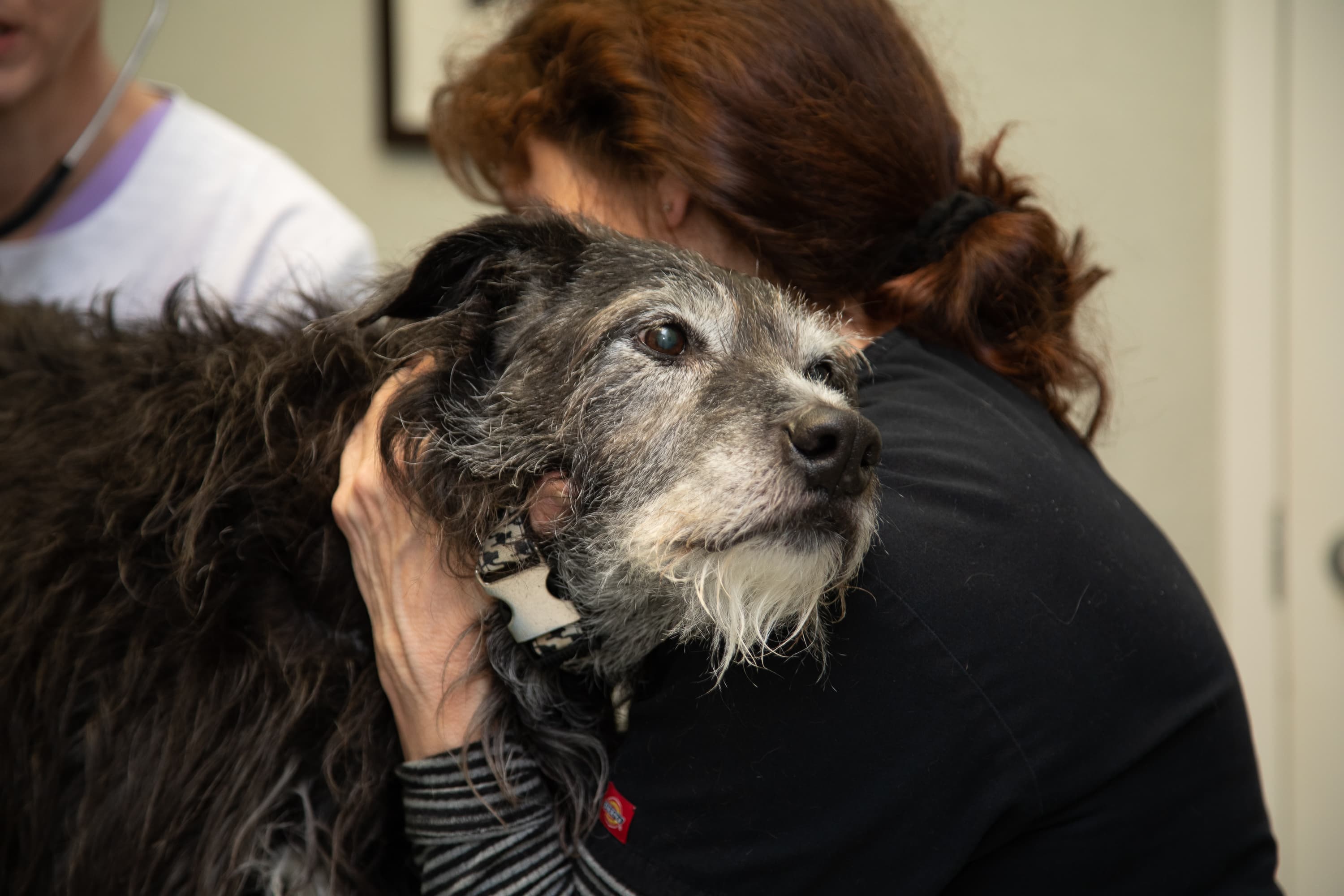
Everyone here is awesome, not just to the humans but amazing with the animals. They are compassionate, understanding, and professional. I haven't gone to a vet hospital like this in years. My dog has severe anxiety at the vet, and they made him so comfortable, they also got me in on the same day as a new patient when my existing vet wanted me to wait 3 weeks for an appointment for an ear infection that desperately needed antibiotics. Thank you to all the staff, and please don't change anything.
O.W.
See more reviewsFrequently Asked Questions About Small Ruminant Veterinary Care
Lambs should be dewormed when they are 1-3 months old, as they are particularly susceptible to parasitic infections. As they grow, adult sheep can be dewormed during grazing or breeding season. Goats and other small ruminants can be dewormed when specific signs of parasitism or elevated fecal egg count (FECs) are observed. If you are unsure about when to deworm your animal, speak to a veterinary professional.
In general, small ruminants should be seen for a check-up by a vet at least once per year. This helps detect any early signs of disease or other medical conditions and delivers a more complete health profile. This frequency may increase in older animals, or when you notice any potential symptoms of an illness.
Core vaccines for goats and sheep include CD&T (Clostridium perfringens Types C and D and Tetanus) and CL (Caseous Lymphadenitis). Other vaccines such as rabies, vibrio, and OPP (ovine progressive pneumonia) can also be administered. Work with your veterinarian to determine what vaccines your small ruminant animal needs and when to schedule them.
Book an Appointment at Family Friends Veterinary Hospital
New pets are always welcome at Family Friends Veterinary Hospital. Our friendly veterinary staff looks forward to providing our neighbors in Citrus Heights and surrounding communities with the veterinary care they need.